

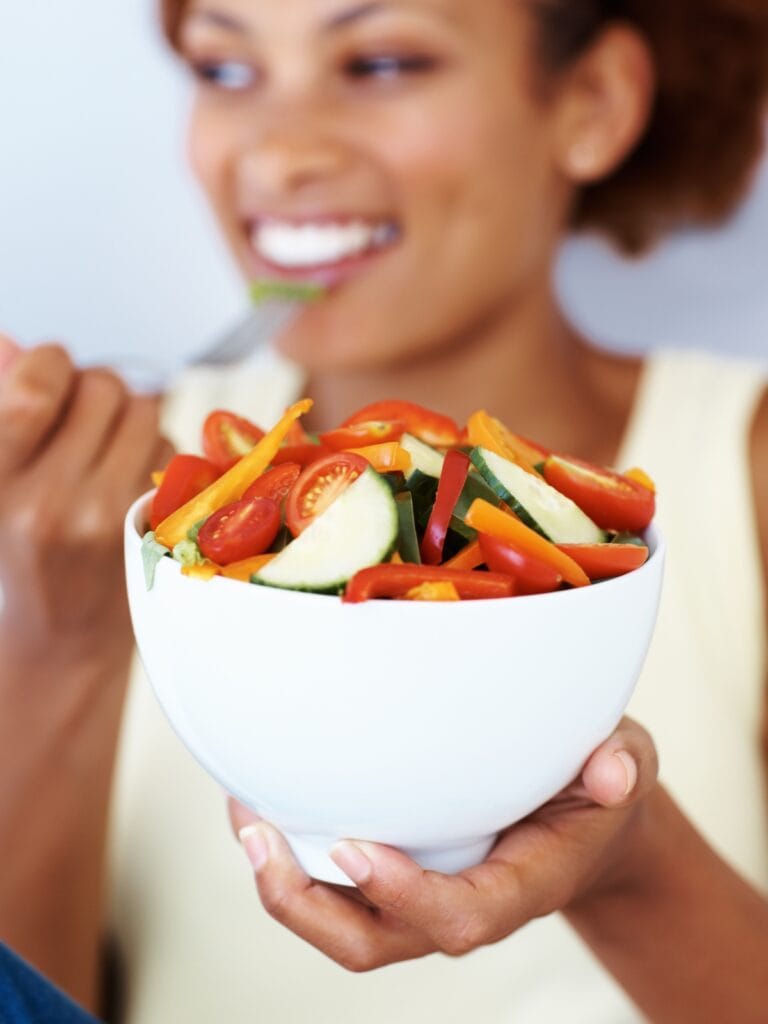
Gut health is one of those things everyone talks about… but somehow it still feels confusing.
People say…
- Eat more fiber.
- Eat fermented foods.
- Drink kombucha.
- Take this supplement.
Okay… but what should I actually be doing?
Because if we’re being honest, most “gut health” advice ends up being either:
- overly complicated
- expensive
- or just not that realistic
So instead of giving you a long list of foods you should eat, I want to focus on a few that actually make a difference—and are easy to start adding into your meals right now.
These are the foods that tend to get overlooked… but can have a big impact.
1. Lentils
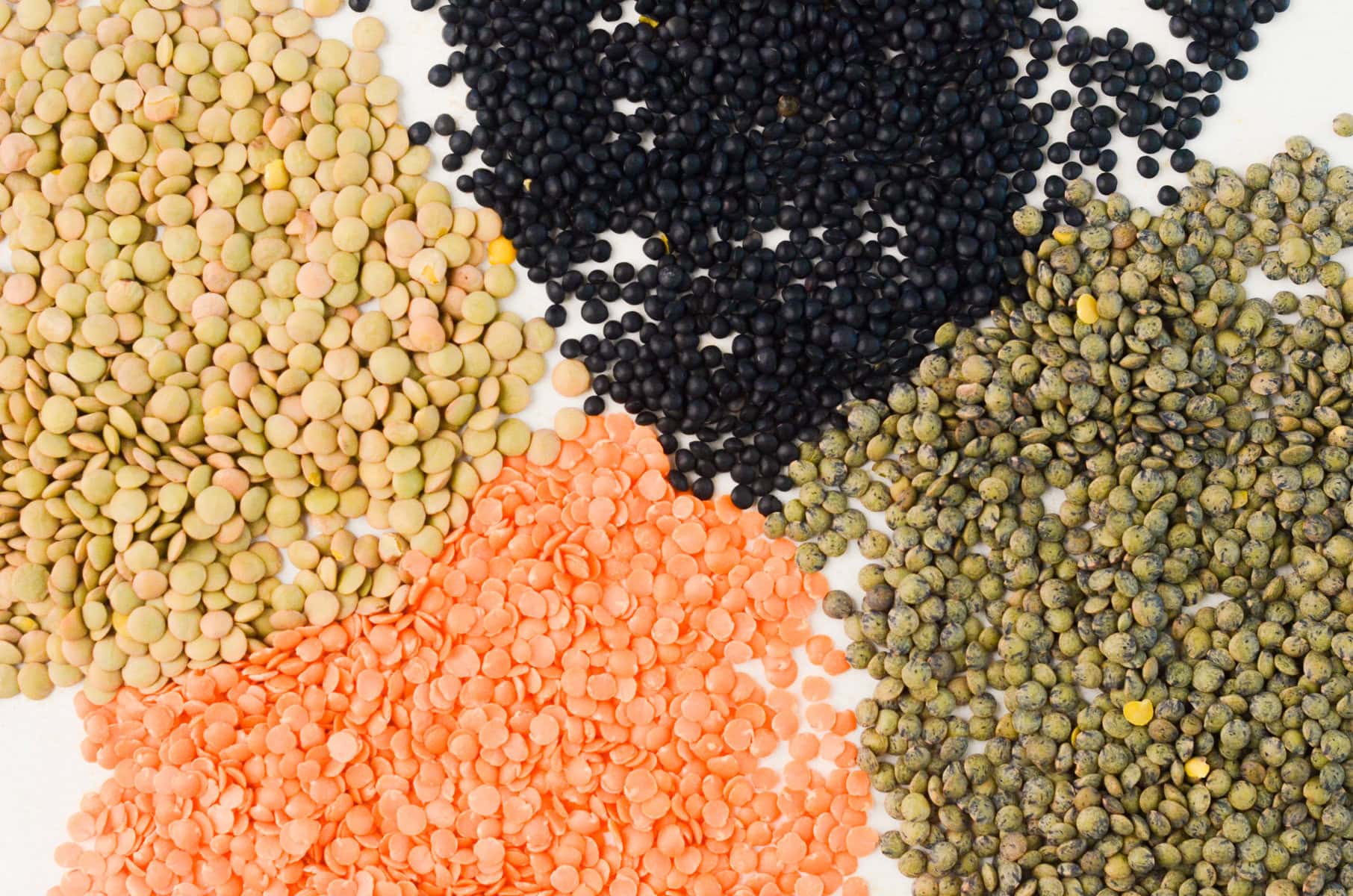
Lentils don’t get the credit they deserve as one of the best foods for gut health.
They’re packed with fiber, especially the kind that feeds your gut bacteria (this is called prebiotic fiber). And unlike some other high-fiber foods, they’re:
- affordable
- easy to cook
- and actually filling
If you’ve ever noticed feeling more satisfied after a lentil-based meal… this is why!
Easy ways to use them:
- Blend into sauces to make them more filling
- Add to soups or curries – like my Lentil Barley Soup, Red Lentil Sweet Potato Curry, or Golden Lentil Soup
- In pasta form like in my Red Lentil Pasta Salad
- Toss in salads (an easy addition to my Quinoa Chickpea Salad!)
📖Read more about the amazing benefits of lentils in my post Why You Should Be Adding Lentils to Your Diet.
2. Ground Flaxseed
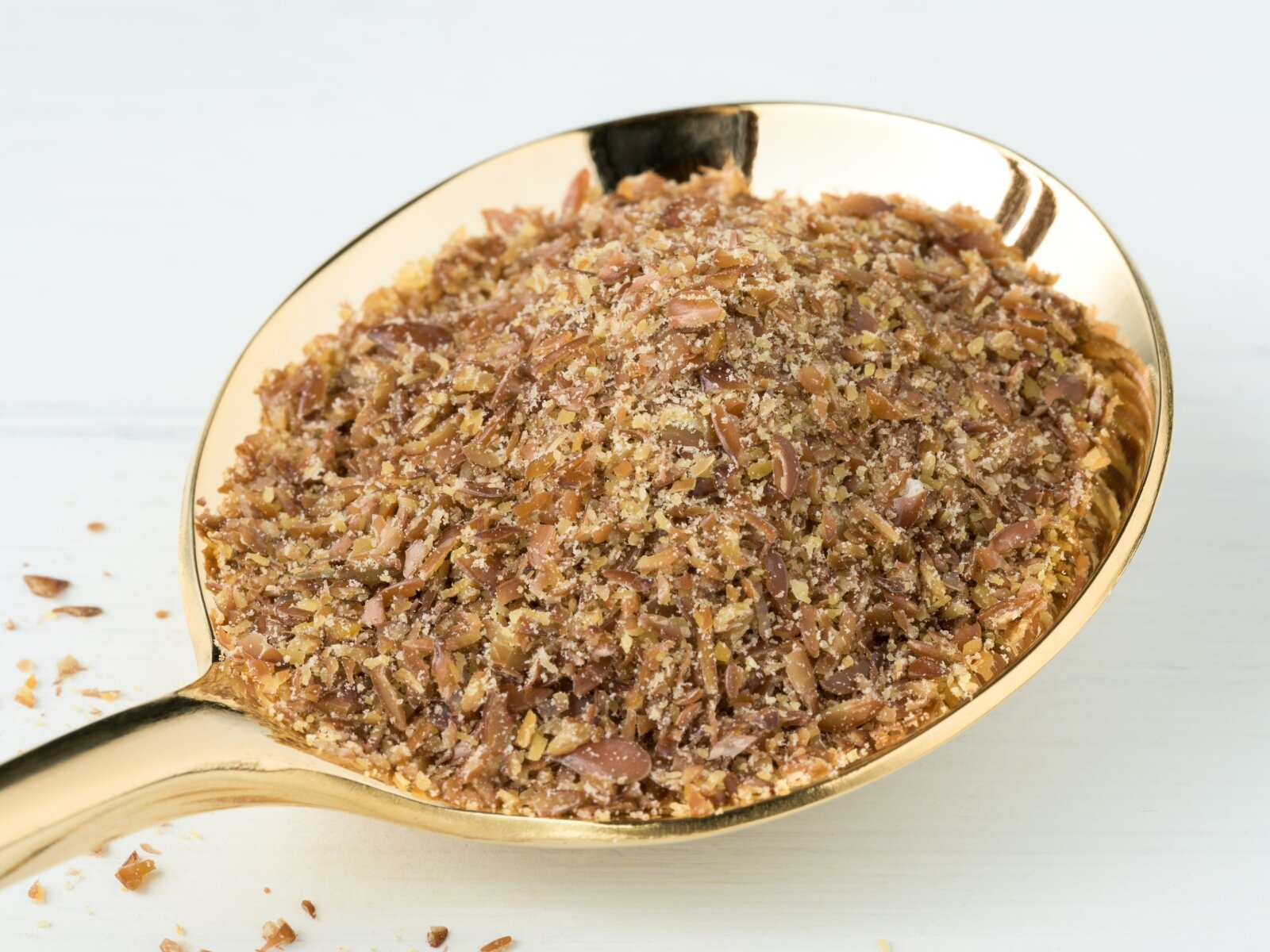
This is one of those ingredients that doesn’t look like much… but does a lot.
Ground flaxseed is rich in soluble fiber, which helps support digestion and keeps things moving (if you know what I mean).
It also contains compounds that support overall gut balance.
BUT you have to get the ground flaxseed (whole flax seeds won’t have the same effect).
Easy ways to use ground flax:
- Stir into oatmeal – I love them in my overnight oats (like my carrot cake overnight oats!)
- Add to smoothies – Check out my gut-healthy smoothie that has them (btw this is a dietician approved smoothie!)
- Mix into energy bites – I put them in my energy ball recipe.
- In breakfast bars – A simple addition to banana oat bars for an extra nutrient boost.
3. Fermented Foods
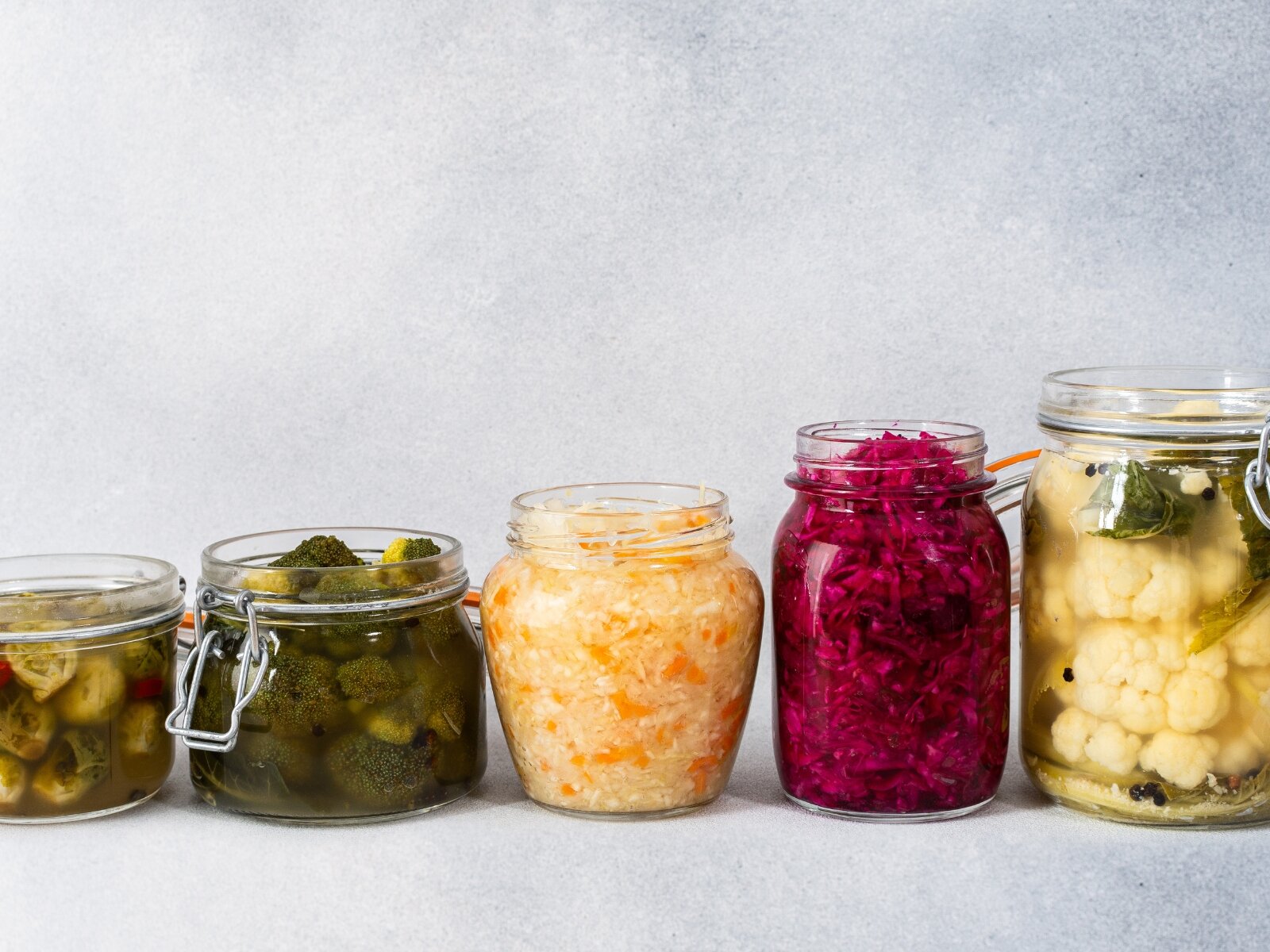
When people think of gut health, they usually jump straight to kombucha or kimchi – but there are even simpler options out there!
Fermented foods are beneficial for the gut microbiome because they contain live beneficial bacteria that can support your gut microbiome.
And while kombucha and kimchi are great options, you can find cheaper alternatives right at home.
You can make your own simple fermented vegetables in your own kitchen. These are called “lacto-fermented vegetables” that are enriched with live microbes, primarily lactobacillus and bifidobacterium species.
Pick out your favorite veggies and simply soak with distilled water and salt – it’s that easy! Check out this recipe here for how to make at-home fermented veggies.
Easy ways to use them:
- Add on top of grain bowls like on my tofu buddha bowl
- Enjoy as a snack with some healthy vegan ranch
- Mix into wraps or sandwiches like in my pesto chickpea avocado wrap
Fun fact – Studies show fermented foods also have anti-inflammatory effects in your body!
4. Kiwi
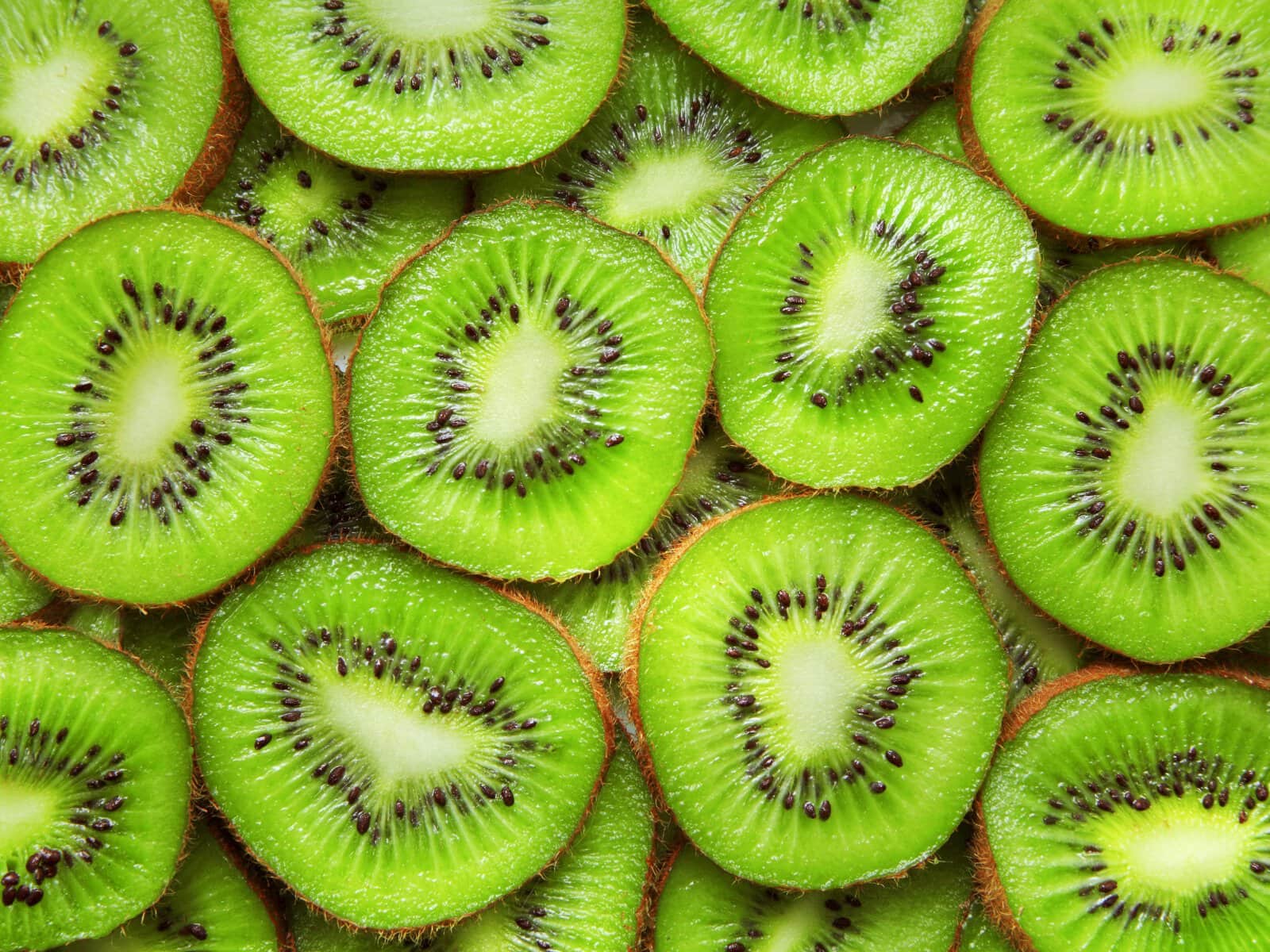
Kiwi isn’t usually the first food people think of for gut health – but it has shocking benefits for your gut!
Kiwi has been shown to increase certain bacteria that are important for gut barrier health. This occurs because kiwi can increase water retention in the gut which is helpful for certain microbiome communities.
Kiwi also contains a natural enzyme called actinidin, which helps break down protein and can support digestion—especially after meals.
It’s also a good source of fiber, including a mix of soluble and insoluble fiber, which helps keep things moving and supports overall gut balance.
Some research has even shown that eating kiwi regularly may help with bloating and digestion.
Easy ways to use it:
- Eat 1–2 on its own (simple, but effective)
- Add to smoothies or yogurt bowls like in
- Enjoy in a morning fruit salad
- Chop into salads for a fresh, slightly sweet contrast – it would be a great addition to my strawberry spinach salad!
5. Potatoes
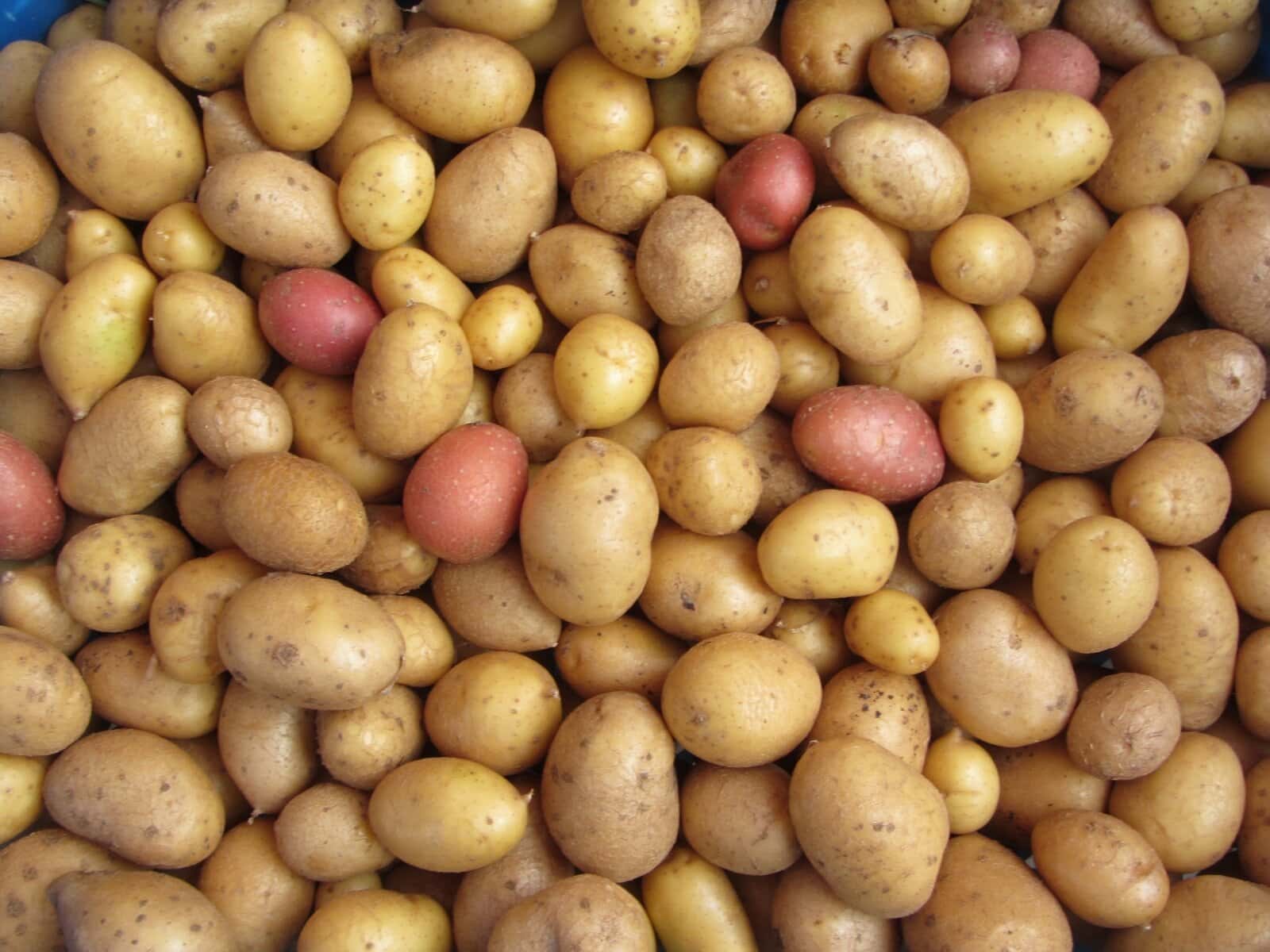
This one surprised me.
Did you know that when potatoes are cooked and then cooled they form something called resistant starch?
This starch acts like fiber in our body – which means it isn’t fully digested but helps feed the good bacteria in our gut.
Easy ways to use them:
- Add to bowls after they’ve cooled (would be a great addition to my harvest bowl– swap out the sweet potatoes)
- Add to soup like my creamy kale potato soup
- Roast ahead of time and use throughout the week (you can make my ranch potatoes or air fryer lemon potatoes)
ALSO did you know that if you reheat them you can still keep some of that resistant starch benefits?
What diet is the best for gut health?
The Gastroenterology Clinics of North America found that Mediterranean dietary patterns are associated with beneficial bacterial profiles, while ultraprocessed foods are linked to dysbiosis (imbalance in microbiome). The Mediterranean diet is rich in fruit, vegetables, whole grains, legumes, nuts, and seems – with a limitation on ultraprocessed foods.
Eating a plant-based diet is nearly identical to the Mediterranean diet (minus the fish)!
Final Thoughts From Allie
I know how hard it can be to incorporate daily kombucha, kimchi, yogurt – or whatever the newest supplement fad is – so I hope this helps you realize how easy it is to help your gut microbes with food items you likely already have in your own kitchen.
Don’t get me wrong – I will still enjoy my kombucha and kimchi, but I feel less pressure to eat this every day to keep my microbiome happy.
Did any food above surprise you? What are you going to do to further help your gut microbiome? Comment below!
