

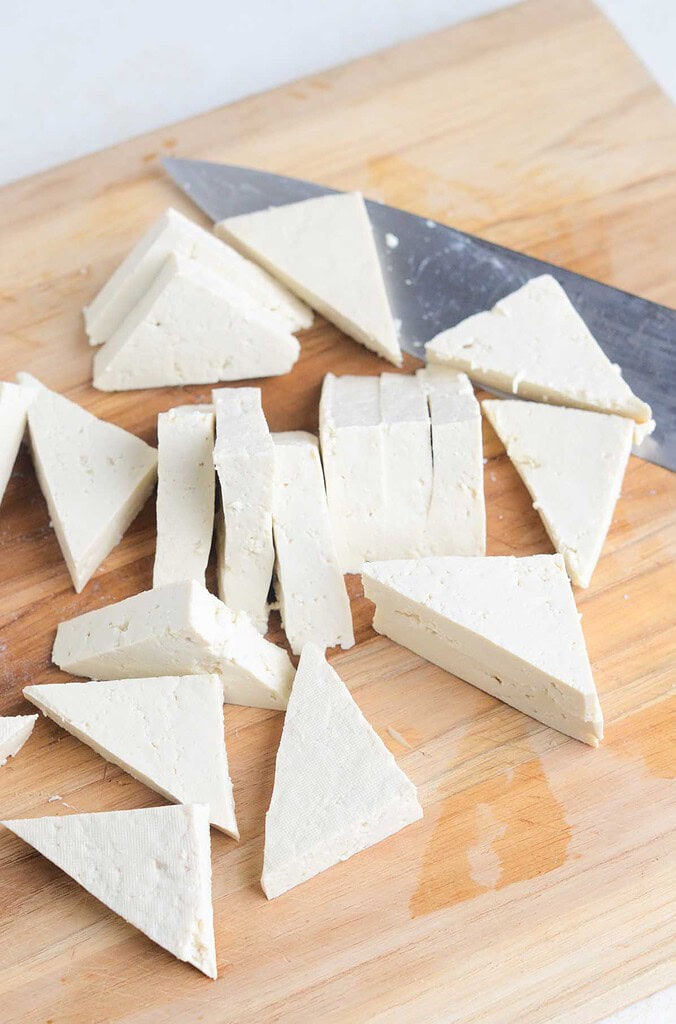
Over the years, I’ve heard a lot of concerns about soy.
“I’m scared to eat too much tofu.”
“I heard too much soy can cause cancer.”
“Soy will throw off my hormones.”
“All soy is genetically modified.”
Today, I want to dispel some of these myths in hopes that it can make you feel more free to eat soy without worries!
Why are people scared of soy?
Research on soy started even back in the 1970’s where phytoestrogens were discovered as the main component in soy. This finding lead to initial concerns about soy and it’s affects on hormones and health.
In the early 2000s, many articles were released suggesting possible links between soy and health issues. There was a lot of misinterpreted research in animal studies that fueled the fear of soy back then, specifically around the phytoestrogens and feminizing effects in men and if it could stimulate estrogen-sensitive cancers.
Myth 1: Soy feminizes men or reduces testosterone

What People Think: Some believe that eating soy can make men more feminine or lower their testosterone levels.
What’s True: Research shows that soy protein and isoflavones do not affect testosterone or other sex hormones in men.
Key Points:
- No Impact on Hormones: Multiple studies have found that soy doesn’t change testosterone or estrogen levels in men.
- Rodent Studies: The confusion comes from studies in rats that showed feminizing effects from soy. However, these effects don’t apply to humans because our bodies process isoflavones differently.
Bottom Line:
Soy doesn’t feminize men or lower testosterone levels.
Myth 2: Soy increases risk of breast cancer.

What People Think: Some believe that eating soy can raise the risk of developing breast cancer.
What’s True: In reality, research suggests that soy might actually help protect against breast cancer!
Key Points:
- Protective Effects: Studies show that for people who eat soy, moderate consumption (around 2-3 servings a day) is linked to a lower risk of breast cancer.
Bottom Line:
Soy doesn’t increase breast cancer risk; it may even offer some protection!
Myth 3: Soy causes hypothyroidism

What People Think: Some believe that eating soy can lead to thyroid problems, specifically hypothyroidism (a condition where the thyroid doesn’t produce enough hormones).
What’s True: For healthy people who get enough iodine in their diet, this myth is mostly false.
Key Points:
- No Impact on Thyroid Levels: Research shows that eating soy does not affect thyroid hormone levels in healthy individuals.
- Medication Interaction: If you already have hypothyroidism and take medication for it, soy might affect how well your body absorbs that medication, although this is still a bit unclear in the research. It’s a good idea to check with your doctor about eating soy if you have thyroid issues.
Bottom Line:
Soy doesn’t cause thyroid problems in healthy people, but if you have thyroid conditions, it’s best to discuss soy with your healthcare provider.
Myth 4: Soy acts like estrogen in the body.

What People Think: Some believe that soy makes your body produce more estrogen, which can lead to health problems.
What’s True: Soy contains compounds called isoflavones that can attach to estrogen receptors in your body. However, they do this in a much weaker way than natural estrogen does (about 100-1000x weaker than human estrogen, per research).
Key Points:
- Weak Effects: The effects of soy on estrogen are very weak.
- No Increase in Estrogen: Studies show that eating soy doesn’t increase estrogen levels in the blood or affect the areas in the body that respond to estrogen like natural estrogen does.
Bottom Line: While soy has some similarities to estrogen, it doesn’t act the same way in our bodies.
Myth 5: Tofu isn’t safe due to GMOs.

- What People Think: Some believe that tofu is unsafe to eat because most soybeans in the U.S. are genetically modified (GMO).
- What’s True: While it’s true that over 90% of soybeans grown in the U.S. are GMO, most of these are used for animal feed. Some do go into processed foods like snacks and pizza, but that doesn’t mean all soy products are unsafe.
Key Points:
- Look for Organic: Many tofu options on the shelves are organic. You should also check that is its Non-GMO (it should label this on the front).
- Healthier Choice: Organic tofu often has a better nutrient profile than regular tofu. It typically contains more protein, more zinc, less fiber, and lower saturated fat.
Bottom Line:
Tofu can be safe and healthy, especially if you choose organic and non-GMO options!
Final Thoughts from Allie

It makes me sad to see so much fear surrounding soy, especially since it offers many health benefits and is one of the highest-protein plant-based milks available. (I even wrote an article highlighting the benefits of soy milk!)
I’m committed to spreading the word to help eliminate the stigma around soy.
Feel free to share this article with someone you know to help spread the message!
Here are my favorite “soy-based” recipes:
This information is intended for educational purposes only and should not be considered medical advice. We strongly recommend consulting your healthcare provider before making any changes to your health regimen..
