The #1 Diet for
Blood Pressure Isn’t Vegan. Here are My Thoughts as a PA-C

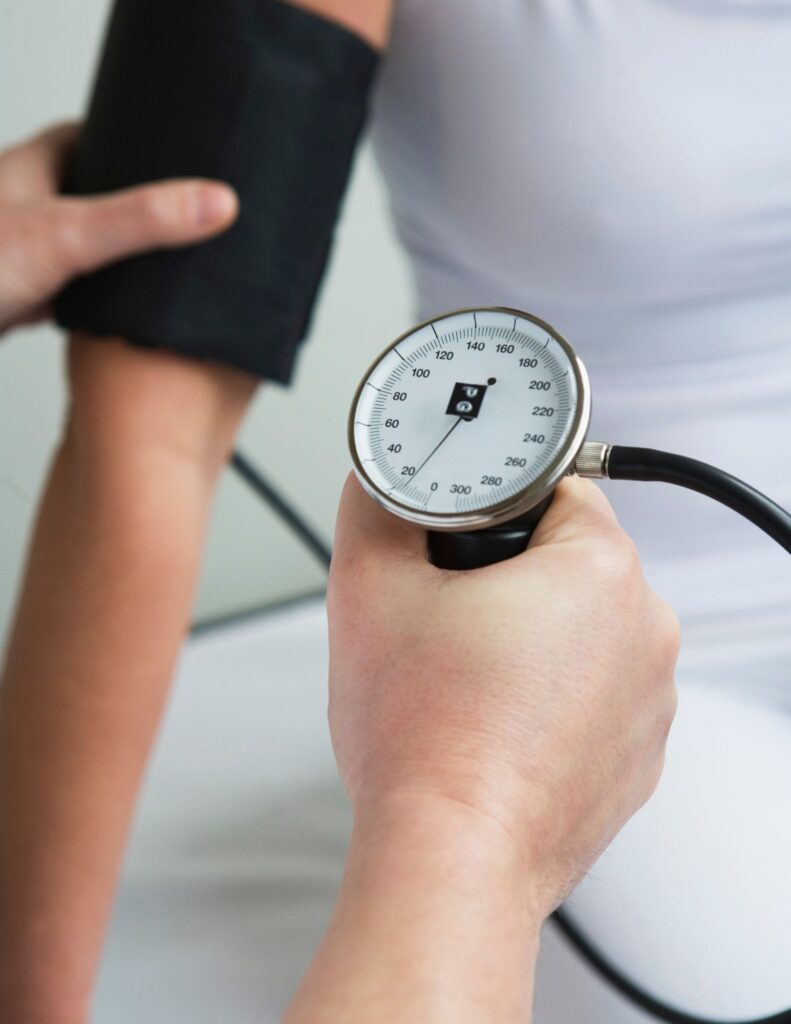
I check blood pressure for a living. Well, I’m technically not the one to wrap up the cuff and press the button. In clinic, that little number on the screen comes up a lot in conversation, and is also at the forefront of my mind when taking care of someone. I might argue blood pressure is the most important vital sign.
Often, I have a conversation about it. Someone finds out their blood pressure is high. They get worried. Then they ask me what they should do. And sometimes, it can be hard to explain that there’s more to it than just a pill.
The honest answer is that food does more than most people expect.
But here’s the part that surprises people. It’s usually not the thing they read about on Instagram. It’s not one magic vegetable. It’s not that green juice. It’s not just cutting out salt.
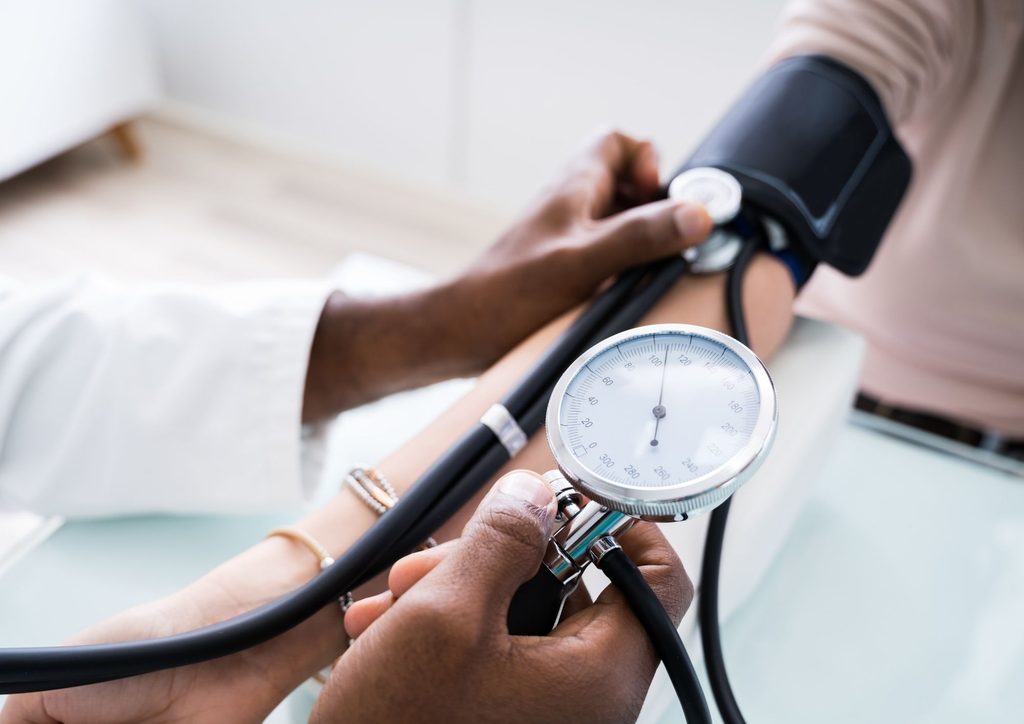
In 2025, a huge group of medical organizations released an updated blood pressure guideline. The American Heart Association, the American College of Cardiology, and about a dozen other groups all put their name on it. And they put eating patterns right at the center of both preventing and treating high blood pressure.
So I want to walk you through what that guideline actually says, what the research on diet actually shows, and how I put it on a plate. Because I’m a PA-C, but I’m also the person who cooks dinner every night for my family.

What You’ll Learn
- Which eating pattern has the strongest evidence for lowering blood pressure
- Why the top-ranked diet isn’t technically vegan, and how I adapt it
- The two things that make your diet even better for your blood pressure
- Meal & recipe ideas to lower blood pressure
The 2025 guideline put food first, and that’s a big deal
Diet is actually at the forefront of the new guidelines.
Researchers did something called a network meta-analysis, which is a fancy way of saying they compared 22 different lifestyle strategies head to head and ranked them. Things like exercise, salt reduction, stress management, and various diets.
The DASH (Dietary Approaches to Stop Hypertension) eating plan came out on top.
Aerobic exercise came second. Then isometric resistance training (like wall sits and planks). Then swapping to a low–sodium, high–potassium salt. Then broad lifestyle programs that combine several changes at once.
One more thing from the guideline that I loved seeing in print: working with a registered dietitian made these changes more effective. Having someone help you actually build the meals can matter a lot for your health.
The #1 diet for blood pressure isn’t vegan
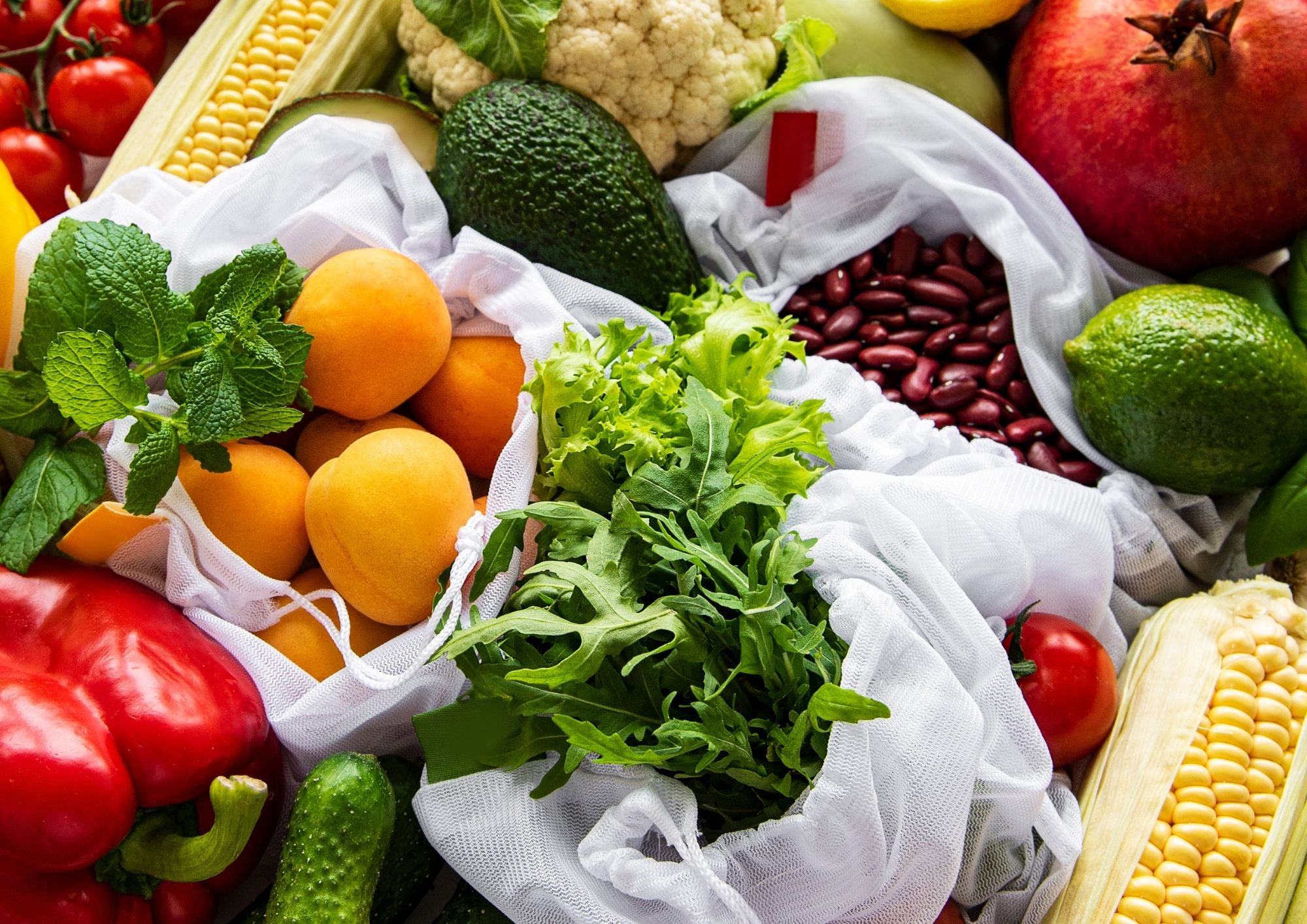
DASH emphasizes fruits, vegetables, whole grains, and low-fat or nonfat dairy. It’s unfortunate to see that dairy piece baked right into the original plan, but I’ll explain below why they have it.
The reason DASH works appears to come down to what it’s doing to your body: a lot of potassium, magnesium, calcium, and fiber, with less sodium and less saturated fat. Dairy was what they chose as the vehicle for the calcium and some of the potassium. BUT it’s is not the only vehicle.
So when I build a plant-based version, I’m chasing those same nutrients:
- Calcium from calcium-set tofu, fortified soy milk, tahini, almonds, and leafy greens like collards and bok choy
- Potassium from potatoes, sweet potatoes, beans, lentils, tomato products, bananas, and leafy greens
- Magnesium from beans, nuts, seeds, and whole grains
- Fiber from basically all of the above
Fortified soy milk is the closest nutritional stand-in for cow’s milk in this specific context. It’s the one plant milk that comes close on protein and is typically fortified with calcium and vitamin D. If you’ve been avoiding soy because of something you read, I wrote a whole post on the soy fears and what the research actually says.
Allie’s note: I’m not saying that my plant-based version has been tested head to head against classic DASH. I’m saying the nutrients that seem to drive the effect are absolutely available without dairy.
Two things that do work
So if you’re already eating a balanced plant-based diet (filled with fruit, veggies, beans, legumes, and more) what else can you focus on to actually improve your blood pressure?
1. Cut sodium
People are surprised to hear most of your sodium doesn’t come from the salt shaker. It comes from bread, sauces, canned goods, restaurant food, and packaged snacks. When I cook, I buy no-salt-added canned beans and tomatoes and salt the dish myself. I end up using way less and the food tastes better because I’m salting at the end when I can taste it.
For soy sauce specifically, low sodium soy sauce or coconut aminos will drop the number a lot without gutting the flavor.
A lot of clinicians recommend looking into a sodium-free salt substitute like Nu-salt, which can be a great option, but this may not be the best choice for everyone (read my safety info below).
I highly recommend paying attention to any packaged goods you buy. You will likely be shocked how much sodium is hidden in there.
2. Weight loss
The guideline puts it at roughly 1 point of blood pressure reduction per kilogram lost, which is about 1 point for every 2 pounds (that’s for both the top and bottom number).
I don’t think chasing a number on a scale is the point. But if weight loss is already a goal of yours, know that it and the diet change work together rather than overlapping.
🛑A safety note I’d give any patient
Please read this part.
Adding potassium is not automatically safe for everyone. If you have chronic kidney disease, or you take an ACE inhibitor, an ARB, or a potassium-sparing diuretic like spironolactone, loading up on potassium (and especially using a potassium-based salt substitute) can push your potassium too high.
The guideline mentions low-sodium, high-potassium salt substitutes as an effective strategy, and for a lot of people they’re great, but not for everyone. Talk to your own clinician before you start using one.
Allie’s note: Do not stop or change a blood pressure medication on your own because you changed how you eat. If your blood pressure starts running lower, have a conversation with your provider.
What this actually looks like on my plate
I’m not eating a sad plate of steamed vegetables. I’m eating things that are genuinely good, and they happen to check a lot of these boxes.
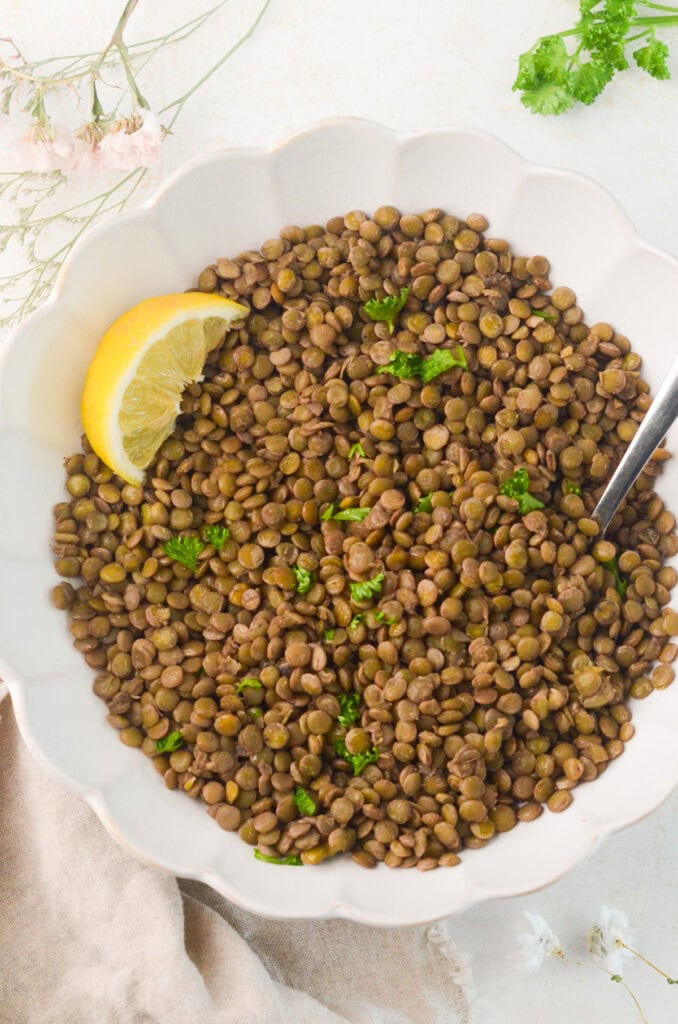
Lentils are my go-to. Potassium, fiber, magnesium, plant protein, all in one very cheap bag. If you’ve never cooked them, start with my Cooked Lentils 101 guide, which covers every type and how to cook them without turning them to mush. Then make my Red Lentil Sweet Potato Curry, which is the most popular recipe on my whole site for a reason, or the Creamy Golden Lentil Soup when it’s cold out.
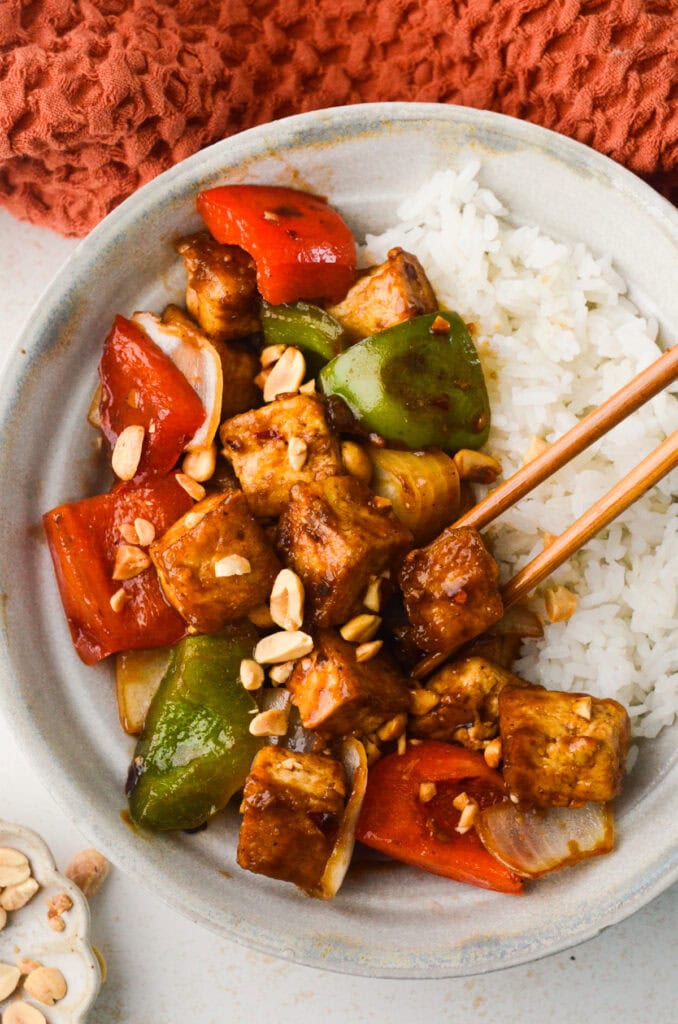
Tofu is in my diet weekly. Soy protein specifically has research behind it for blood pressure. And calcium-set tofu covers some of that dairy gap I mentioned earlier. I have 30+ tofu recipes here if you need ideas.
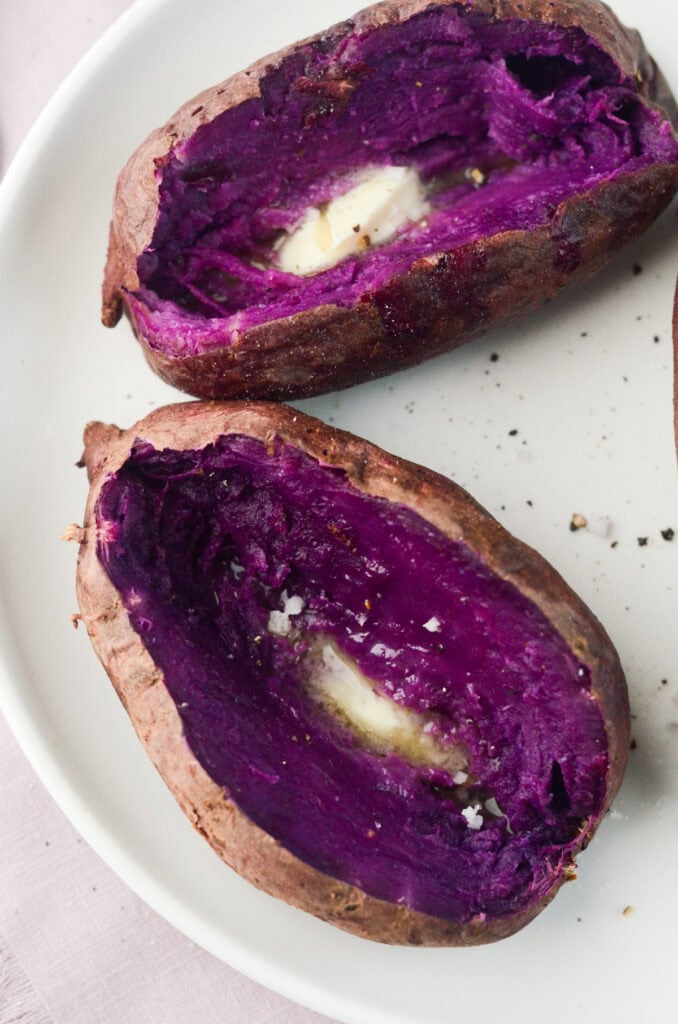
Sweet potatoes for potassium. Purple ones are my favorite and I wrote about why purple sweet potatoes are worth seeking out.
Beets (that don’t taste like dirt). Beets contain natural nitrates, which have been studied for blood flow and blood pressure. I love my Maple Glazed Roasted Beets & Carrots (especially in the cold months).

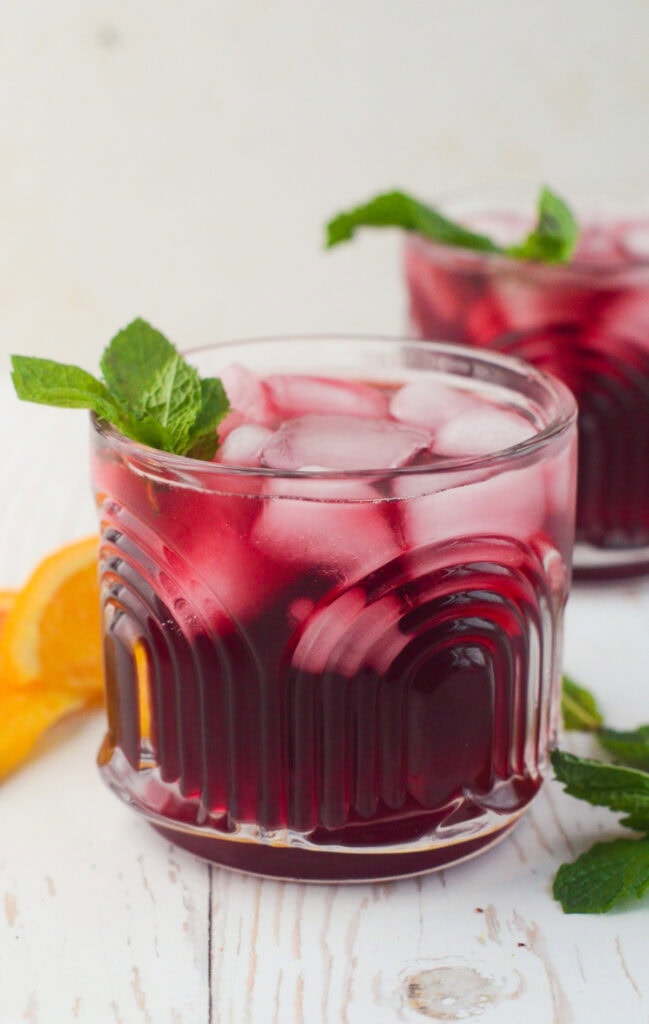
Hibiscus tea is my favorite easy drink. It has actually been studied for blood pressure, and it tastes like tart cranberry. Here’s my Iced Hibiscus Tea recipe.
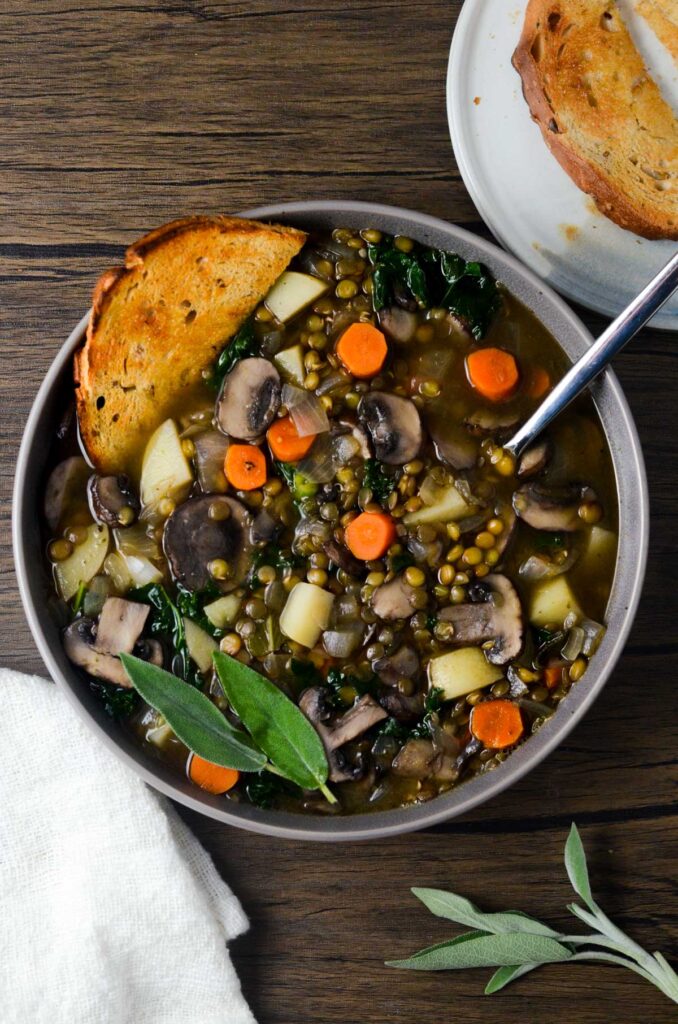
Big pots of soup and stew. My Sage Mushroom Lentil Stew makes enough for days, which means fewer nights of ordering takeout that I have no sodium control over.
What I wish more people knew, in one paragraph
I want everyone to know that food choices are not just a back-up for blood pressure control. It ranked first out of 22 strategies in the research behind the 2025 guideline. You don’t have to go fully vegan to get the benefit, and honestly the strongest evidence sits with vegetarian and DASH-style patterns. You get more out of it if you cut sodium at the same time. You get more out of it if your blood pressure is high to begin with.
And in case you weren’t aware of the guidelines recommendations for blood pressure, the target is under 130/80 mm Hg for adults, with a target closer to 120/80 mm Hg when well tolerated.
Disclaimer
This information is intended for educational purposes only and should not be considered medical advice. Please talk with your own healthcare provider before making changes to your health regimen, especially if you take blood pressure medication or have kidney disease.