

You crushed your workout. Now what? If you’re reaching for a standard protein shake and calling it recovery, you might be leaving a lot on the table. A growing body of research points to specific whole plant foods (most of them probably already in your kitchen) that can meaningfully reduce muscle damage, cut down on soreness, and support faster repair.
As both a PA-C, a plant-based cook, and someone who loves to exercise, I find this area of sports nutrition genuinely exciting. The same foods that taste incredible also happen to have some of the strongest evidence for exercise recovery. Here’s what the science says…
1. The anti-inflammatory power of colorful fruit
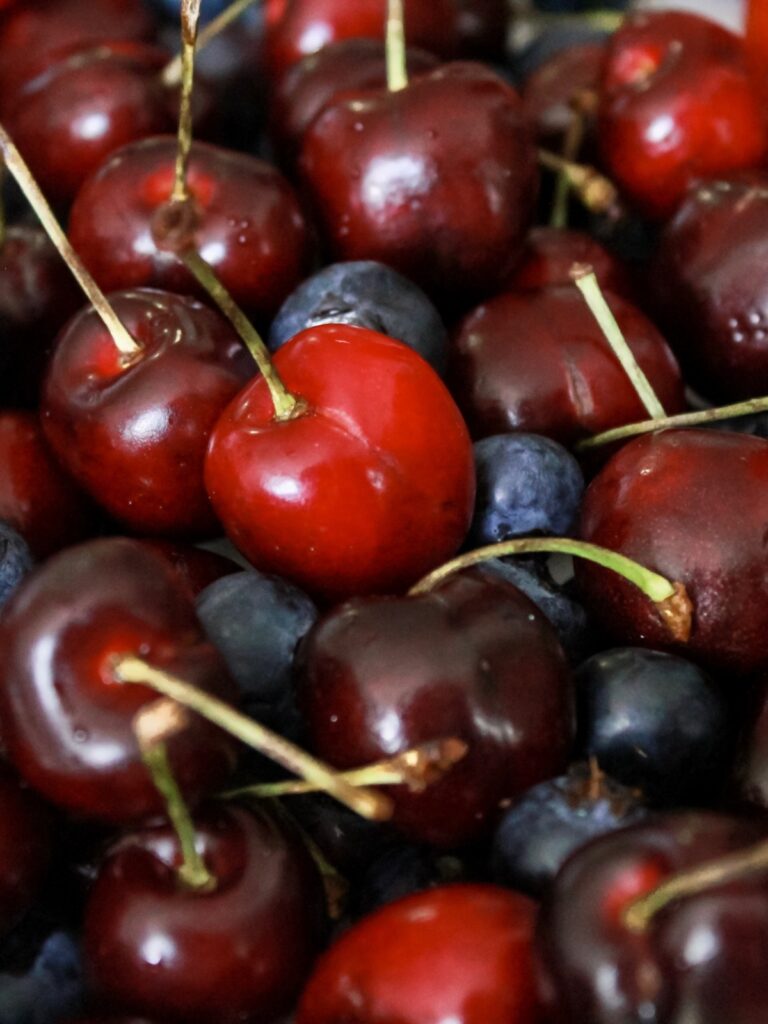
The deep red, blue, and purple colors in fruit come from compounds called anthocyanins. These aren’t just pretty- they actively help calm inflammation in your body after exercise. A large analysis of 26 studies found that eating foods rich in these compounds helped muscles recover their strength faster and reduced soreness in the days after a workout (mostly 48-72 hours)
A separate review backed this up, finding evidence that these plant chemicals are helpful in reducing soreness, especially in athletes who may have multiple events in week.
The most colorful fruits on your plate are often doing the most work for your recovery. 🍒
These are the four plant foods with the strongest evidence:
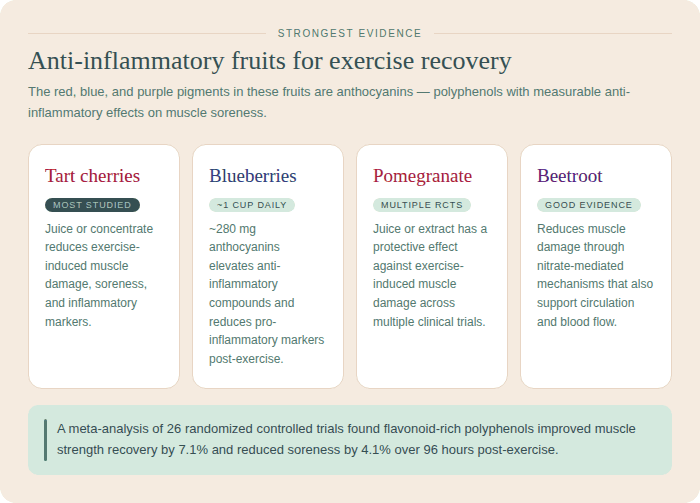
Of these, tart cherries are the most well-studied. Studies found that tart cherry juice helped muscles recover faster and reduced anti-inflammatory markers in the body, Blueberries are close behind. Research showed that eating them daily for just over two weeks measurably reduced inflammatory markers after a workout, but it should be noted that individuals did not report and subjective change in their soreness. In regards to pomegranate, the evidence shows that pomegranate supplementation can accelerate strength recovery and reduce certain muscle damage biomarkers (particularly in the arms and when you perform bilateral exercises).
Beetroot juice helps your muscles work more efficiently during exercise by boosting nitric oxide — a compound your body makes from the natural nitrates in beets. Research shows it can help you recover faster after hard workouts, with less soreness and better strength bounce-back. And it’s not just one magic ingredient doing the work — it’s the whole package of nutrients in the beet.
Vegan Chef Lauren Montelbano often will serve beetroot shots to bicycle athletes during triathlons to aid in muscle recovery and improve performance.
2. Turmeric: the recovery supplement hiding in your spice rack
Curcumin is the active compound in turmeric, and it’s a surprisingly well-studied anti-inflammatory.
Research shows it can reduce muscle soreness, lower markers of muscle damage in the blood, and dial down the inflammatory response after exercise.
Prolonged supplementation yields the best results, especially for untrained individuals or those less exposed to muscle-damaging exercise.
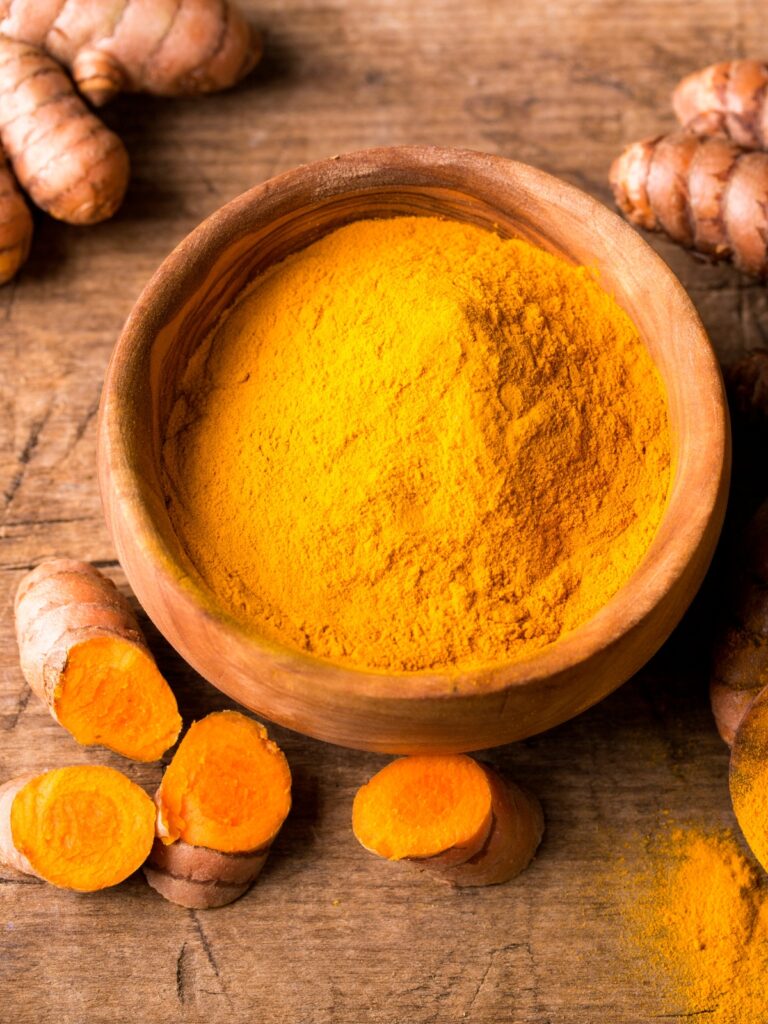
One thing worth knowing: turmeric on its own doesn’t absorb well in the body. Adding black pepper dramatically increases how much your body actually uses. So when you cook with turmeric, always add a pinch of black pepper too.
3. Plant protein sources that actually build muscle
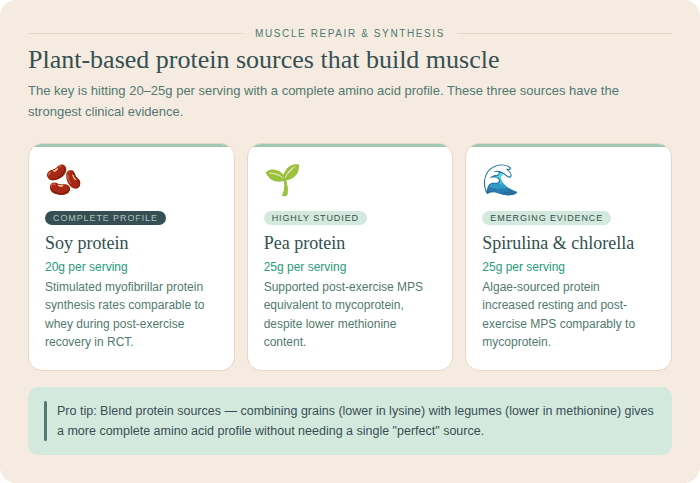
Muscle repair requires protein, and plant-based sources work better than most people think. The key is getting enough – around 25-30g per serving.
Muscle repair requires protein and most people aren’t getting nearly enough of it. The recommended daily value (0.8g per kg of body weight) is actually set as a minimum to prevent deficiency, not an optimal target for active people. If you’re working out regularly, your needs are likely closer to 1.2–1.6g per kg of body weight per day.
For example if you weigh 130 lbs (59 kg), the old guideline (RDA): 0.8g per kg → ~47g protein/day. But the newer research recommendations: 1.2–2.0g per kg (varies by activity level) → ~71–118g protein/day.
Plant-based eaters sometimes get extra skepticism here, but the research doesn’t back that up. Plant proteins work better than most people think. The key is just getting enough per serving (which is based on your weight)
Studies show that soy protein supports muscle rebuilding just as well as whey after exercise. Pea protein does the same, and even algae-based proteins like spirulina and chlorella have shown comparable results in recent research.
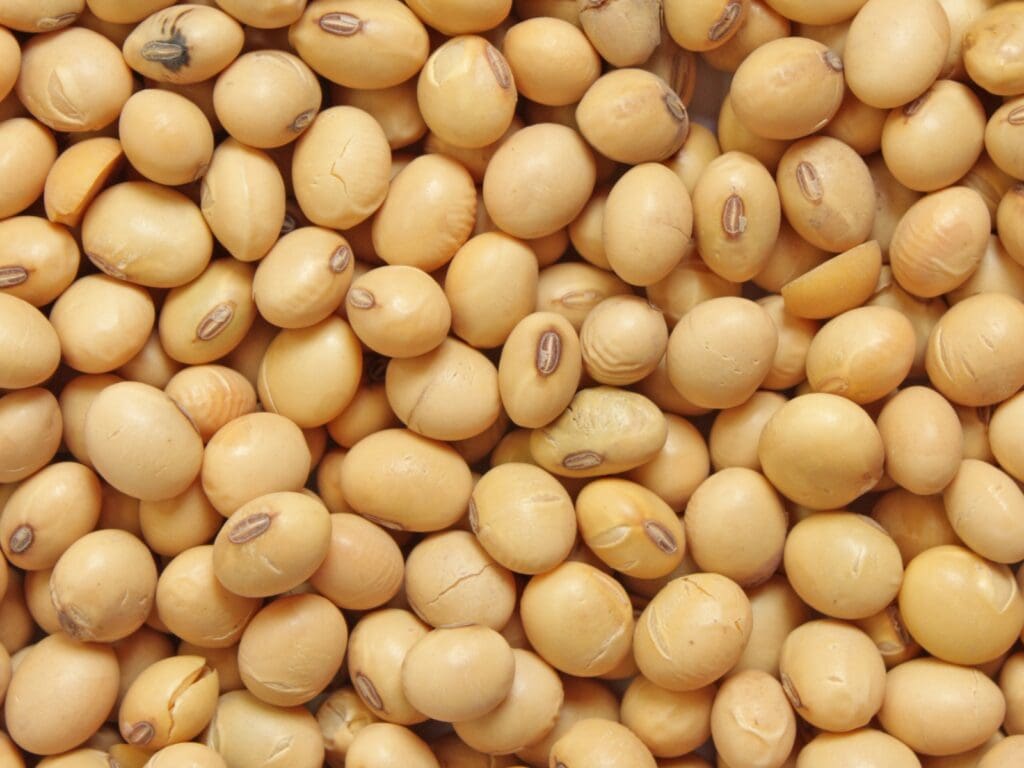
If you’re eating a mix of plant foods throughout the day (grains, beans, lentils, tofu) you’re likely covering your bases. But if you’re training hard, it’s worth paying attention to your total daily intake, not just your post-workout shake. 💪🏻
4. Timing matters
The American College of Sports Medicine recommends eating a recovery meal or snack within 30 minutes of finishing exercise. Aim for about 1.0–1.5 grams of carbohydrate per kilogram of your body weight (for example, a 150-pound person would need roughly 70–100 grams of carbs — think a banana, a bagel, and a glass of juice). Add 10–20 grams of protein (a cup of soy yogurt, a handful of edamame, a scoop of pea or soy protein powder in a smoothie).
Carbohydrates (especially quick-digesting ones) help your body rapidly restock its energy stores, while protein provides the building blocks your muscles need to start repairing. This timing matters most if you’re training or competing again the same day. If you have a full day or more before your next workout, the total amount you eat over the day matters more than hitting an exact 30-minute window.
The bottom line: you don’t need a cabinet full of supplements to recover well on a plant-based diet. A handful of colorful fruits, a consistent turmeric habit, and adequate protein is all it takes. 🫐
Allie’s Final Take-Aways
Here is how I am going to apply this research to my life:
- In regards to the fruit and fruit juice options, if I am having some heavier training days, tart cherry juice seems to be the most well-researched to support muscle recovery. Consuming 1 cup (8 oz) twice a day around the days of heavy training will likely be the most beneficial – however this would be an expensive habit to do daily. I already consume blueberries daily, but not a full cup per the research, but if I needed more help with recovery I could increase my consumption (and/or buy frozen blueberries that are cheaper).
- I am going to aim to incorporate 1/2-1 tsp of turmeric in my diet (sprinkled on veggies, 1/4-1/2 tsp in a smoothie, or on my tofu). Make sure to combine with black pepper for better absorption.
- I will continue to enjoy my protein shakes because the research supports soy and pea proteins for muscle recovery. I love to make a chocolate peanut butter protein shake with Orgain Protein Powder (chocolate) combined with plain soy milk.
- Aiming for 25g of protein per meal is important to me. I have been adding hemp seeds, nutritional yeast, and protein oats to my daily diet for boosts of protein.
- If I have plans for some more intense workouts over a few days, I will try to get enough carbs & protein in a timely window following my workout (which I could achieve through a post-workout smoothie with a banana and some protein powder).
This information is intended for educational purposes only and should not be considered medical advice. We strongly recommend consulting your healthcare provider before making any changes to your health regimen.
